Air Astana Revenue Rises as Higher Costs Weigh on Profitability
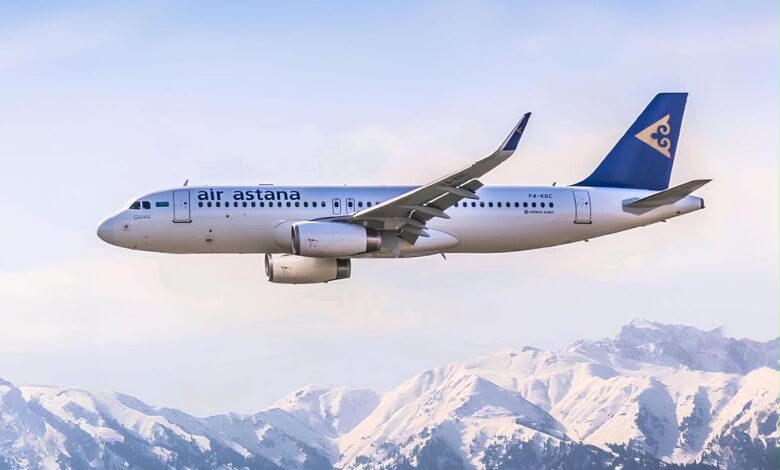
Kazakhstan-based Air Astana Group reported a net loss of $21.2 million for the first half of 2026 despite recording strong revenue growth.
The group’s total revenue and other income increased by 16.1 percent year-on-year to $763.9 million. However, EBITDAR declined by 9.7 percent to $141.7 million, while the EBITDAR margin fell from 23.9 percent to 18.6 percent. Air Astana Group had posted a net profit of $10.7 million in the same period of 2025.
Passenger numbers decreased by 2.4 percent to 4.39 million, although the load factor improved by 0.7 percentage points to 82.4 percent. Revenue passenger kilometres rose by 1.1 percent to 8.5 billion, while available seat kilometres increased by 0.2 percent to 10.3 billion. Unit revenue grew by 15.8 percent, but unit costs climbed by 22.2 percent.
In the second quarter, revenue increased by 18.3 percent to $433 million. EBITDAR fell by 3.7 percent to $93.6 million, while the group recorded a marginal net loss of $100,000, compared with an $18.1 million profit a year earlier.
Air Astana attributed the pressure on profitability to a 98 percent increase in average fuel prices at international stations, the Kazakh tenge’s 7 percent appreciation against the US dollar and expenses related to Pratt & Whitney PW1100G engines.
The group acquired 11 additional engines during the first half. The number of aircraft grounded due to engine-related issues was reduced by approximately 60 percent year-on-year, with no aircraft expected to remain grounded for this reason by summer 2027.
International traffic increased by 5.5 percent in the second quarter, while domestic traffic declined by 7.2 percent. Capacity to China rose by 81 percent, with weekly services increasing to 51, while international connecting passenger traffic grew by 82 percent.
The group operated 25 weekly services to Istanbul from Almaty, Astana and Atyrau, including twice-daily flights on the Almaty-Istanbul route.
Air Astana Group currently operates 63 aircraft and plans to expand its fleet to 86 by the end of 2030. The future fleet will comprise 54 Air Astana and 32 FlyArystan aircraft, including 83 Airbus A320-family jets and three Boeing 787-9s. The first 787-9, which will replace the group’s existing Boeing 767s, is expected to arrive in 2026.